
Beginner · 20–30 min
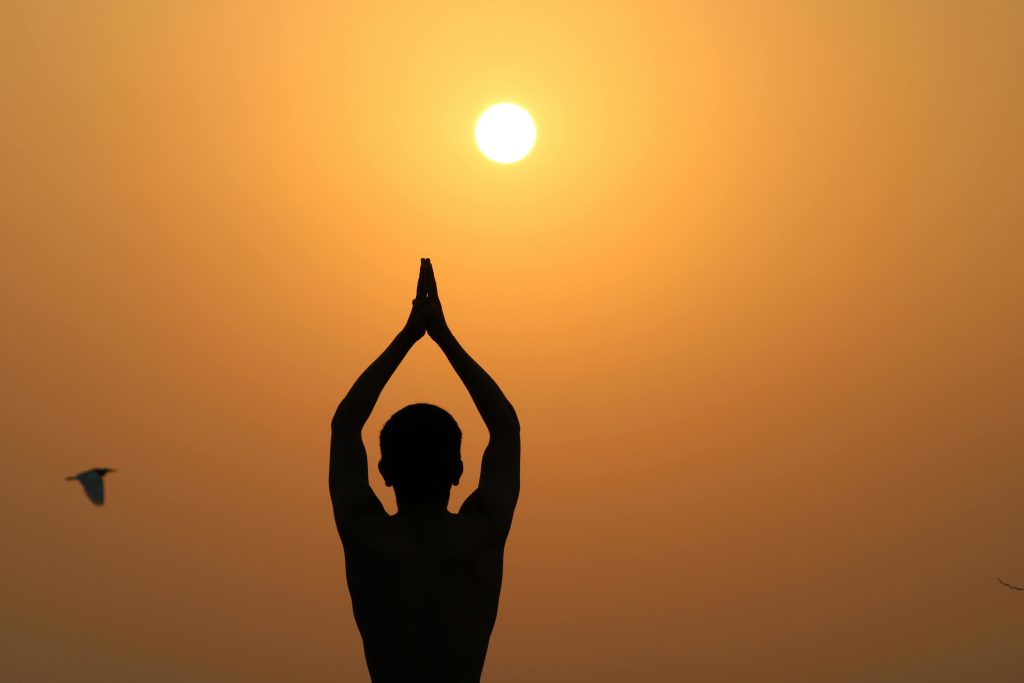
Morning Sun Salutation Flow
The Morning Sun Salutation Flow is one of the most energizing and grounding yoga practices for starting the day with clarity, strength, and balance. Rooted in ancient yogic tradition, Sun Salutations, also known as Surya Namaskar, are designed to awaken the body, calm the mind, and connect breath with movement. Practicing this sequence in the morning aligns your body with the natural rhythm of the day, improves circulation, enhances flexibility, and cultivates mindfulness.
Sun Salutations are not simply a physical workout. They are a moving meditation that combines intentional breathing, focused awareness, and flowing postures. Whether practiced slowly for mindfulness or dynamically for energy and warmth, the Morning Sun Salutation Flow can become a transformative ritual that prepares you mentally, physically, and emotionally for the day ahead.
The Meaning of Sun Salutation
In yoga philosophy, the sun symbolizes consciousness, vitality, and life force. Ancient yogis honored the sun as a source of energy and inspiration. Surya Namaskar was developed as a sequence to express gratitude and respect toward this life-giving force while simultaneously preparing the body for meditation and spiritual practice.
The term “Surya” means sun, while “Namaskar” means bowing or offering respect. Together, Surya Namaskar translates to “salutation to the sun.” Traditionally, practitioners perform the sequence at sunrise, facing east, allowing the gentle morning light to inspire awareness and renewal.
Modern yoga practitioners often use Sun Salutations as a warm-up sequence before deeper yoga postures. However, the flow itself can serve as a complete practice when repeated mindfully and consistently.
Benefits of Morning Sun Salutation Flow
Practicing Sun Salutations every morning offers numerous benefits for physical health, mental clarity, and emotional well-being.
1. Energizes the Body
Morning Sun Salutations stimulate blood circulation and oxygen flow throughout the body. The synchronized breathing and movement increase energy levels naturally, making the practice an excellent alternative to relying on caffeine for morning alertness.
2. Improves Flexibility
The sequence stretches major muscle groups, including the hamstrings, spine, chest, shoulders, and hips. With regular practice, stiffness decreases, and mobility improves significantly.
3. Builds Strength
Sun Salutations engage the arms, core, back, and legs. Postures such as plank, downward-facing dog, and lunges help develop muscular endurance and functional strength.
4. Enhances Mental Focus
The connection between breath and movement encourages concentration and mindfulness. Practicing in the morning creates mental clarity and helps reduce stress and anxiety.
5. Supports Healthy Digestion
Twists, forward folds, and gentle compression of the abdominal area stimulate digestive organs and support metabolism.
6. Improves Posture
The flowing sequence strengthens spinal muscles while encouraging awareness of alignment, helping to improve posture over time.
7. Encourages Emotional Balance
The rhythmic nature of Sun Salutations calms the nervous system and creates emotional stability. Starting the day with intentional movement often leads to greater patience, positivity, and resilience.
Preparing for Your Morning Practice
Before beginning your Morning Sun Salutation Flow, it is helpful to create a calm and supportive environment.
Choose a Quiet Space
Find a clean, uncluttered area where you can move comfortably. If possible, practice near a window or outdoors where natural sunlight is visible.
Use a Yoga Mat
A yoga mat provides stability and cushioning for your joints. Comfortable clothing that allows free movement is also important.
Practice on an Empty Stomach
Morning yoga is best practiced before breakfast or at least two hours after eating.
Set an Intention
Take a moment before beginning to focus on an intention for your day. Your intention might involve gratitude, patience, courage, or self-care.
The Complete Morning Sun Salutation Flow
The following sequence describes a traditional Sun Salutation A flow adapted for beginners and intermediate practitioners. Move slowly at first, coordinating each posture with your breath.
1. Mountain Pose (Tadasana)
Begin standing tall at the top of your yoga mat with your feet together or hip-width apart. Distribute your weight evenly across both feet. Relax your shoulders and let your arms rest by your sides.
Take several deep breaths. Inhale through your nose and exhale slowly. Feel grounded and present.
Mountain Pose establishes stability and awareness. It serves as the starting point for the entire sequence.
2. Upward Salute (Urdhva Hastasana)
Inhale deeply and sweep your arms overhead. Reach through your fingertips while keeping your shoulders relaxed. Slightly lift your chest and gaze upward.
This posture lengthens the spine, opens the chest, and expands the lungs.
3. Standing Forward Fold (Uttanasana)
Exhale and hinge forward from your hips. Allow your hands to reach toward the floor beside your feet. Bend your knees if necessary.
Relax your neck and let your head hang naturally.
Forward folds calm the mind and stretch the hamstrings and lower back.
4. Halfway Lift (Ardha Uttanasana)
Inhale and lift halfway up, placing your fingertips on your shins or the floor. Lengthen your spine and draw your shoulders away from your ears.
This posture creates space in the spine while strengthening the back muscles.
5. Plank Pose
Exhale and step your feet back into a high plank position. Align your shoulders above your wrists and engage your core.
Keep your body in one straight line from head to heels.
Plank Pose builds upper-body and core strength.
6. Knees, Chest, and Chin or Chaturanga
Beginners may lower their knees, chest, and chin gently to the floor.
More experienced practitioners can lower into Chaturanga Dandasana by bending the elbows close to the body.
This transitional posture develops arm and shoulder strength.
7. Cobra Pose or Upward-Facing Dog
Inhale and roll your chest forward into Cobra Pose or Upward-Facing Dog.
In Cobra Pose, keep your pelvis on the floor and gently lift your chest.
In Upward-Facing Dog, lift your thighs off the floor while pressing strongly into your hands.
These backbends open the heart and strengthen the spine.
8. Downward-Facing Dog (Adho Mukha Svanasana)
Exhale and lift your hips upward and back into an inverted V-shape.
Press your palms firmly into the mat and lengthen your spine. Allow your heels to move toward the floor.
Stay here for several breaths.
Downward Dog stretches the entire body while building strength and stability.
9. Step or Jump Forward
Inhale and step or lightly jump your feet toward your hands.
Return to the Halfway Lift posture, lengthening your spine.
10. Standing Forward Fold
Exhale and fold deeply over your legs once again.
Release tension in your neck and shoulders.
11. Upward Salute
Inhale and rise to standing, sweeping your arms overhead.
Lift through your chest and feel your body fully awakened.
12. Mountain Pose
Exhale and return your arms to your sides.
Pause for a moment and notice the sensations within your body.
This completes one round of Sun Salutation.
Breathing During the Flow
Breath is central to yoga practice. In Sun Salutations, each movement is connected to either an inhalation or exhalation.
- Inhale during opening and lifting movements.
- Exhale during folding or contracting movements.
Steady breathing creates rhythm and supports focus. Avoid holding your breath unless specifically instructed.
The sound of deep nasal breathing can also create a meditative effect that calms the nervous system.
How Many Rounds Should You Practice?
The number of Sun Salutation rounds depends on your experience level, schedule, and energy.
Beginners
Start with 3 to 5 rounds at a slow pace.
Intermediate Practitioners
Practice 6 to 12 rounds with consistent breathing.
Advanced Practitioners
Experienced yogis may complete 24 rounds or more as part of a vigorous practice.
Even a few mindful rounds each morning can make a noticeable difference in your energy and mood.
Variations of Sun Salutation
There are several variations of Surya Namaskar practiced across different yoga traditions.
Sun Salutation A
Common in Vinyasa and Ashtanga yoga, this variation focuses on foundational poses and smooth transitions.
Sun Salutation B
This variation includes additional poses such as Chair Pose and Warrior I, creating greater strength and heat.
Gentle Sun Salutations
Gentle adaptations are suitable for beginners, seniors, or anyone recovering from injury. Movements are slower and less intense.
Power Sun Salutations
Fitness-oriented yoga styles may include faster-paced sequences for cardiovascular conditioning.
Common Mistakes to Avoid
Moving Too Quickly
Beginners often rush through the sequence without coordinating breath and movement. Slow down and focus on control.
Ignoring Alignment
Proper alignment prevents injury and improves effectiveness. Keep your core engaged and maintain awareness of posture.
Holding Tension
Avoid clenching your jaw, shoulders, or hands. Relaxation is just as important as effort.
Forcing Flexibility
Respect your body’s limits. Flexibility develops gradually over time.
Tips for Building a Consistent Morning Practice
Start Small
You do not need an hour-long session to benefit from yoga. Even ten minutes each morning can create positive habits.
Practice at the Same Time
Consistency helps establish routine. Practicing immediately after waking up often works best.
Combine with Meditation
After completing Sun Salutations, sit quietly for a few minutes of meditation or deep breathing.
Keep a Journal
Tracking your experience can increase motivation and awareness of progress.
Be Patient
Some mornings will feel easier than others. Progress comes through consistency rather than perfection.
Sun Salutation and Mindfulness
The Morning Sun Salutation Flow can become more than physical exercise when practiced mindfully.
Mindfulness means paying full attention to the present moment without judgment. During Sun Salutations, mindfulness involves noticing the rhythm of your breath, the sensations in your body, and the movement of your thoughts.
Instead of rushing through poses mechanically, approach each movement with awareness. Feel your feet grounding into the mat, your spine lengthening, and your breath flowing naturally.
This mindful approach transforms the sequence into a moving meditation that cultivates inner calm and emotional balance.
Incorporating Affirmations into Your Practice
Many practitioners enjoy pairing affirmations with Sun Salutations.
Affirmations are positive statements repeated silently or aloud to encourage confidence and focus.
Examples include:
- “I welcome this new day with gratitude.”
- “I am strong, balanced, and calm.”
- “I move through life with energy and purpose.”
- “I honor my body and mind.”
Repeating affirmations during practice can deepen emotional connection and create a positive mindset.
The Spiritual Dimension of Sun Salutations
Beyond physical benefits, Sun Salutations carry spiritual significance in yoga tradition.
The rising sun symbolizes awakening, transformation, and new beginnings. Practicing at dawn can inspire reflection and gratitude for life itself.
In some traditions, each round of Sun Salutation is dedicated to one of the twelve names of the sun, accompanied by mantras. While modern practitioners may not follow these rituals, the spirit of appreciation and mindfulness remains central.
Yoga teaches that movement, breath, and awareness can unite body and mind. Sun Salutations embody this principle beautifully through flowing transitions and intentional breathing.
Adapting the Practice for Different Needs
For Beginners
Move slowly and use modifications. Bend your knees in forward folds and lower your knees during plank transitions.
For Athletes
Sun Salutations can serve as an effective dynamic warm-up before workouts or sports training.
For Busy Professionals
A short morning sequence can reduce stress and improve concentration before starting work.
For Older Adults
Gentle variations improve mobility, balance, and circulation while remaining accessible.
For Stress Relief
Practicing slowly with deep breathing activates the body’s relaxation response.
Creating a Morning Ritual Around Sun Salutations
A meaningful morning ritual can support overall wellness and productivity.
You might begin by drinking water, opening a window for fresh air, and lighting a candle or incense. After completing your Sun Salutations, spend a few minutes journaling, meditating, or expressing gratitude.
This intentional start to the day encourages mental clarity and emotional resilience.
Morning rituals do not need to be complicated. Simplicity and consistency often create the greatest impact.
The Long-Term Impact of Daily Practice
The benefits of Morning Sun Salutation Flow accumulate over time. Daily practice can gradually improve flexibility, strength, balance, and posture.
Mentally, practitioners often notice increased patience, focus, and emotional stability. The habit of beginning each day with mindful movement can influence the rest of daily life, encouraging healthier choices and greater self-awareness.
Many yoga practitioners describe Sun Salutations as a personal anchor that provides steadiness during stressful or uncertain times.
Conclusion
The Morning Sun Salutation Flow is far more than a sequence of yoga poses. It is a holistic practice that nurtures the body, calms the mind, and awakens inner energy. Through the combination of breath, movement, and mindfulness, Sun Salutations create a powerful foundation for physical vitality and emotional balance.
Whether practiced for five minutes or an hour, this timeless yoga tradition offers an opportunity to greet each new day with intention, gratitude, and awareness. The flow encourages strength without aggression, flexibility without force, and discipline without rigidity.
By incorporating Morning Sun Salutation Flow into your daily routine, you create space to reconnect with yourself before the demands of the day begin. Over time, this simple yet profound practice can become a source of energy, clarity, and peace that supports every aspect of life.
As the sun rises each morning, the practice of Surya Namaskar reminds us that every day offers a new beginning, a fresh opportunity to move, breathe, and live with purpose.