
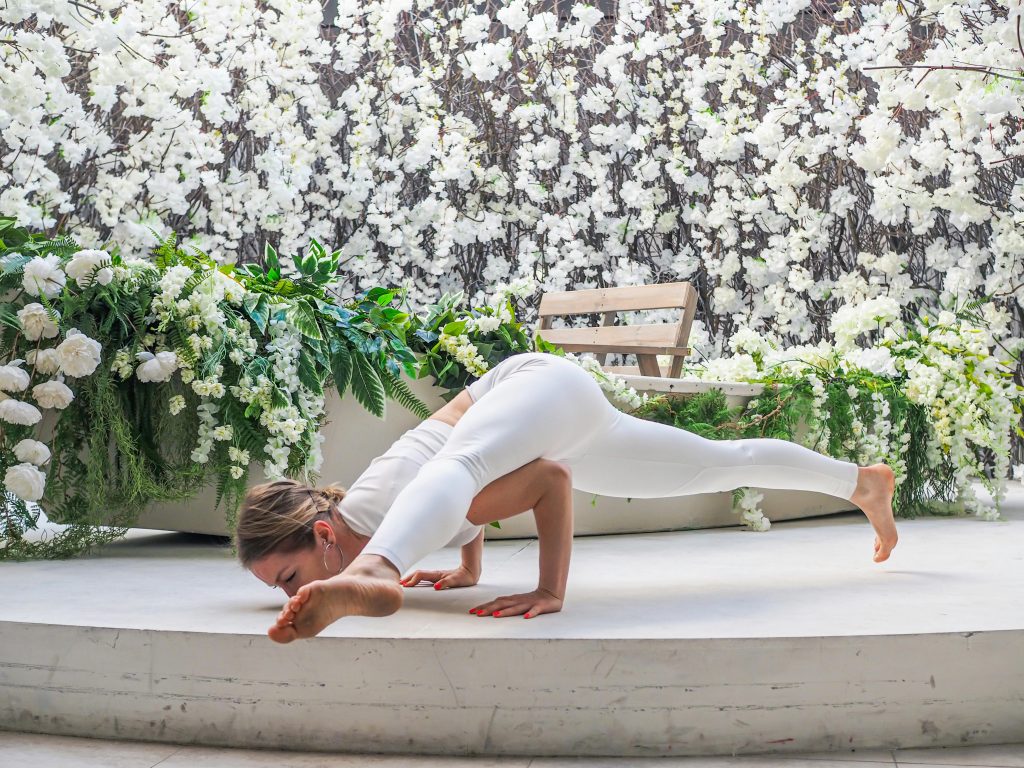
Intermediate · 45 min
Power Vinyasa Yoga is a dynamic and physically energizing style of yoga that combines strength, flexibility, endurance, and mindful breathing into one continuous flow. Unlike slower yoga practices that focus primarily on relaxation and stillness, Power Vinyasa emphasizes movement, muscular engagement, and cardiovascular intensity. It is designed to challenge the body while simultaneously sharpening mental focus and emotional resilience.
The phrase “strength build” in Power Vinyasa refers not only to physical muscle development but also to the cultivation of inner discipline, balance, confidence, and stamina. Through intentional movement and breath synchronization, practitioners gradually develop full-body strength while improving mobility, coordination, and posture.
Power Vinyasa has become increasingly popular among athletes, fitness enthusiasts, and individuals seeking a holistic workout that combines the benefits of yoga with the intensity of strength training. However, it is more than just exercise. It is a mindful practice that encourages self-awareness, concentration, and personal growth.
Understanding Power Vinyasa Yoga
Power Vinyasa Yoga evolved from traditional Ashtanga Yoga and modern Vinyasa Flow practices. The word “Vinyasa” refers to the synchronization of movement with breath. In every sequence, practitioners flow smoothly from one posture to another while maintaining steady breathing.
Power Vinyasa differs from gentle yoga styles because it incorporates stronger transitions, longer holds, and physically demanding poses. Classes often include planks, arm balances, lunges, standing poses, and core-focused movements that build muscular endurance and cardiovascular fitness.
Unlike fixed yoga sequences, Power Vinyasa allows creativity and variety. Each session may feel different, keeping the practice engaging and adaptable to different fitness levels and goals.
Benefits of Power Vinyasa Strength Build
A consistent Power Vinyasa practice offers numerous physical, mental, and emotional benefits.
1. Builds Functional Strength
Power Vinyasa strengthens multiple muscle groups simultaneously. Instead of isolating muscles like traditional gym workouts, yoga movements train the body as an integrated system.
Poses such as plank, warrior poses, chaturanga, and chair pose engage the core, legs, shoulders, arms, and back. This functional strength improves everyday movement and athletic performance.
2. Improves Flexibility and Mobility
While strength training often tightens muscles, Power Vinyasa balances strength with flexibility. Deep stretches and flowing transitions improve joint mobility and muscle elasticity.
Regular practice increases range of motion in the hips, shoulders, hamstrings, and spine.
3. Enhances Cardiovascular Endurance
Fast-paced sequences elevate the heart rate and improve circulation. Continuous movement combined with controlled breathing creates a cardiovascular workout that boosts stamina and energy levels.
4. Develops Core Stability
The core is constantly engaged throughout Power Vinyasa practice. Strong abdominal and back muscles support posture, protect the spine, and improve balance.
Core strength also enhances performance in sports and daily activities.
5. Increases Mental Focus
Power Vinyasa requires concentration and breath awareness. Practitioners must remain mentally present while moving through challenging sequences.
This mindful attention improves focus, discipline, and emotional control.
6. Reduces Stress
Despite its intensity, Power Vinyasa can be deeply calming. Conscious breathing and physical movement help release tension and regulate the nervous system.
Many practitioners report feeling mentally refreshed and emotionally balanced after practice.
7. Encourages Confidence
Successfully moving through challenging flows builds self-trust and resilience. Over time, practitioners often develop greater confidence both on and off the mat.
Preparing for a Power Vinyasa Session
Preparation is essential for a safe and effective practice.
Choose the Right Space
Practice in a well-ventilated, uncluttered area with enough room to move freely. A calm environment supports concentration.
Use Proper Equipment
A non-slip yoga mat is important because Power Vinyasa involves dynamic transitions and weight-bearing poses. Comfortable, breathable clothing also helps maintain mobility.
Hydrate Properly
Drink water before and after practice. Avoid eating heavy meals immediately before exercising.
Warm Up the Body
Gentle stretches and mobility exercises prepare the muscles and joints for deeper movements.
The Foundation of Breath
Breath control is central to Power Vinyasa Yoga. The most common breathing technique used is Ujjayi breath, often called “ocean breath.”
This breathing method involves inhaling and exhaling through the nose while slightly constricting the throat to create a soft, rhythmic sound.
Benefits of Ujjayi breathing include:
- Improved concentration
- Better oxygen flow
- Increased endurance
- Nervous system regulation
- Greater body awareness
The breath acts as an anchor throughout the practice, guiding movement and maintaining rhythm.
Essential Power Vinyasa Poses for Strength Building
1. Plank Pose
Plank Pose is one of the most effective full-body strengthening postures.
It activates:
- Core muscles
- Shoulders
- Arms
- Chest
- Legs
Maintaining proper alignment builds endurance and stability.
2. Chaturanga Dandasana
This low push-up position strengthens the upper body and core. It requires control, balance, and shoulder stability.
Practicing Chaturanga correctly helps prevent injury and improves arm strength.
3. Downward-Facing Dog
Although often considered a resting pose, Downward Dog builds shoulder strength, stretches the spine, and engages the legs.
It also improves circulation and posture.
4. Warrior I
Warrior I strengthens the legs, glutes, and core while opening the chest and hips.
This posture encourages stability and grounded energy.
5. Warrior II
Warrior II develops lower-body endurance and improves focus. Holding the pose challenges mental concentration and muscular stamina.
6. Chair Pose
Chair Pose activates the thighs, glutes, calves, and core.
Holding this posture builds leg strength and improves balance.
7. Boat Pose
Boat Pose is excellent for core strengthening. It targets the abdominal muscles and hip flexors while improving stability.
8. Side Plank
Side Plank strengthens the obliques, shoulders, and wrists. It also improves balance and coordination.
9. Crow Pose
Crow Pose develops arm strength, concentration, and body awareness.
Balancing poses like Crow challenge both physical and mental control.
10. Dolphin Pose
Dolphin Pose strengthens the shoulders and upper back while preparing the body for inversions.
Structuring a Power Vinyasa Flow
A balanced Power Vinyasa session typically follows a structured sequence.
Centering
Practice begins with stillness and breath awareness. This helps practitioners focus mentally and prepare physically.
Warm-Up Flow
Gentle stretches and Sun Salutations gradually increase body temperature and mobility.
Strength Sequence
The middle portion of the practice includes standing poses, planks, lunges, twists, and core work.
This section is physically demanding and builds muscular endurance.
Peak Pose
Many classes include a challenging posture or sequence such as arm balances, inversions, or deep backbends.
Cool Down
Slower stretches release muscle tension and reduce heart rate.
Final Relaxation
Savasana, or Corpse Pose, allows the body and mind to absorb the benefits of practice.
Building Strength Through Consistency
Consistency is more important than intensity alone.
Practicing Power Vinyasa three to five times per week can lead to noticeable improvements in:
- Strength
- Flexibility
- Endurance
- Balance
- Mental focus
Progress happens gradually. Over time, poses that once felt difficult become more accessible and stable.
The Role of Core Strength
The core is the center of power in yoga practice.
A strong core:
- Supports spinal alignment
- Protects against injury
- Improves posture
- Enhances balance
- Creates efficient movement
Power Vinyasa continuously engages the abdominal and lower back muscles through transitions and balance poses.
Core activation should feel stable rather than tense. Proper breathing helps maintain this balance.
Power Vinyasa and Athletic Performance
Many athletes incorporate Power Vinyasa into their training routines because it improves mobility, coordination, and recovery.
Benefits for Athletes Include:
- Increased flexibility
- Better balance
- Faster recovery
- Improved breathing efficiency
- Reduced injury risk
- Enhanced mental concentration
Runners, cyclists, swimmers, and strength athletes often use yoga to complement their primary training programs.
Mental Strength Through Physical Challenge
One of the most valuable aspects of Power Vinyasa is the development of mental resilience.
Holding challenging poses teaches patience and persistence. Difficult flows encourage practitioners to remain calm under pressure.
This mental training can improve emotional regulation and confidence in everyday life.
The practice also encourages self-awareness. Instead of competing with others, practitioners learn to observe their own strengths and limitations with compassion.
Common Challenges in Power Vinyasa
Fatigue
Power Vinyasa can be physically demanding. Beginners may tire quickly during fast-paced flows.
Resting in Child’s Pose when needed is completely acceptable.
Wrist Discomfort
Weight-bearing poses can strain the wrists if alignment is poor.
Spreading the fingers and pressing evenly through the hands helps reduce pressure.
Difficulty Coordinating Breath
Synchronizing breath and movement takes practice. Slow, mindful repetition improves coordination over time.
Comparison
Some practitioners compare themselves to others in class.
Yoga is a personal journey. Progress should be measured by awareness and consistency rather than external performance.
Tips for Improving Your Practice
Focus on Alignment
Proper alignment builds strength safely and efficiently.
Move with Intention
Avoid rushing through poses. Controlled movement develops stability and awareness.
Use Modifications
Props and modifications support safe progression.
Prioritize Recovery
Rest and hydration are essential for muscle recovery and injury prevention.
Practice Patience
Strength develops gradually through consistent effort.
Nutrition and Recovery
Supporting your body outside of practice is equally important.
Eat Balanced Meals
Nutritious meals containing protein, healthy fats, and complex carbohydrates support muscle recovery and sustained energy.
Stay Hydrated
Hydration improves performance and flexibility.
Sleep Well
Quality sleep allows muscles and the nervous system to recover effectively.
Stretch Gently
Light stretching or restorative yoga on rest days can reduce soreness.
The Spiritual Side of Power Vinyasa
Although often viewed as a fitness practice, Power Vinyasa still carries important spiritual elements from traditional yoga.
Breath awareness, mindfulness, and intentional movement encourage inner connection and self-reflection.
Yoga philosophy teaches balance between effort and ease. Even during physically demanding sequences, practitioners are encouraged to remain calm and centered.
This balance extends beyond the yoga mat into relationships, work, and daily challenges.
Adapting Power Vinyasa for Different Levels
Beginners
Start slowly and focus on foundational poses. Shorter sessions help build endurance gradually.
Intermediate Practitioners
Intermediate yogis can explore longer holds, advanced transitions, and deeper breath control.
Advanced Practitioners
Advanced students may include arm balances, inversions, and complex sequences that challenge strength and coordination.
Power Vinyasa for Weight Management
Power Vinyasa can support healthy weight management by increasing physical activity and muscle engagement.
Dynamic sequences burn calories while improving metabolism and cardiovascular fitness.
However, yoga also encourages body awareness and mindful habits rather than extreme approaches to fitness.
Building a Home Practice
Practicing at home allows flexibility and personal exploration.
Create a Dedicated Space
A calm, organized space encourages consistency.
Use Online Guidance
Videos and virtual classes can provide structure and inspiration.
Set Realistic Goals
Consistency matters more than duration. Even twenty minutes daily can produce meaningful results.
Track Progress
Journaling your experiences can help maintain motivation and awareness.
Emotional Benefits of Power Vinyasa
Power Vinyasa supports emotional wellness by releasing physical tension and promoting mindfulness.
Many practitioners experience:
- Reduced anxiety
- Improved mood
- Greater self-confidence
- Emotional resilience
- Increased clarity
Physical movement combined with conscious breathing creates a strong mind-body connection that supports emotional balance.
The Long-Term Impact of Practice
Over time, Power Vinyasa can transform both physical health and mindset.
Long-term practitioners often notice:
- Improved posture
- Greater flexibility
- Increased strength
- Better stress management
- Enhanced discipline
- Deeper self-awareness
The practice becomes more than exercise. It evolves into a lifestyle centered on mindful movement, intentional living, and personal growth.
Conclusion
Power Vinyasa Strength Build is a dynamic and empowering yoga practice that combines physical intensity with mental clarity and emotional balance. Through flowing sequences, controlled breathing, and consistent effort, practitioners develop full-body strength, endurance, flexibility, and resilience.
Unlike traditional workouts focused solely on appearance or performance, Power Vinyasa encourages a holistic approach to wellness. It strengthens not only the muscles but also the mind and spirit.
Whether you are a beginner seeking improved fitness or an experienced yogi exploring deeper challenges, Power Vinyasa offers endless opportunities for growth and transformation. Each practice becomes an opportunity to cultivate discipline, awareness, confidence, and inner strength.
As movement and breath unite, the body becomes stronger, the mind becomes clearer, and the connection between physical and emotional well-being deepens. Through dedication and mindful practice, Power Vinyasa Strength Build can become a powerful foundation for a healthier, more balanced, and more energized life.