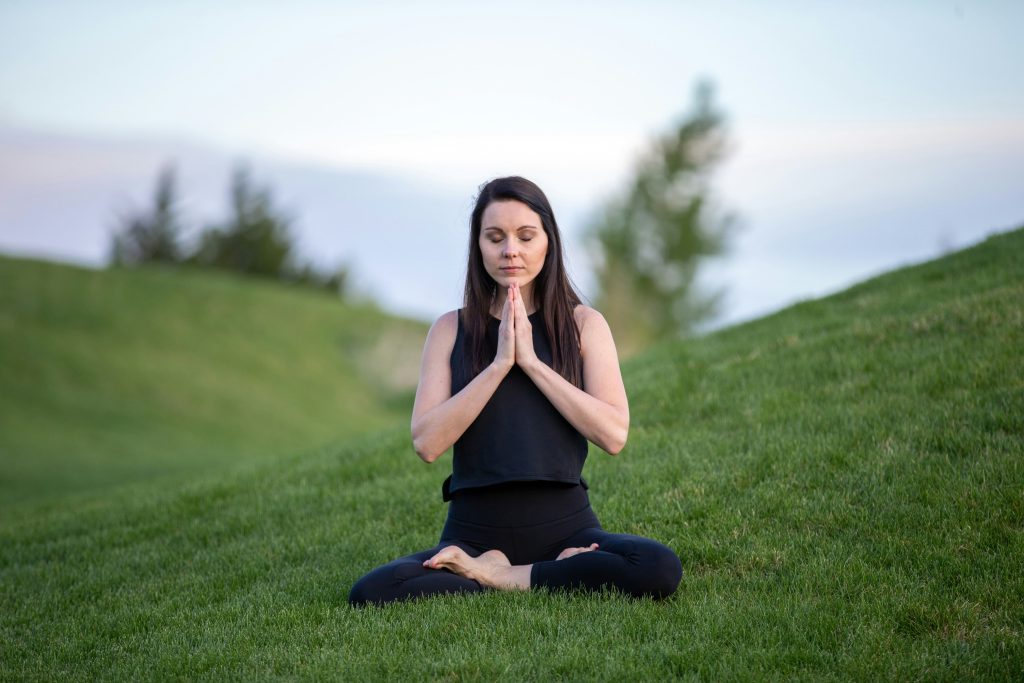
In today’s fast-moving world, many people silently struggle with stress, anxiety, overthinking, and depression. The pressure of work, relationships, social media, financial problems, and personal expectations can make the mind feel constantly heavy and restless. Sometimes, even after having everything, people still feel empty inside. Mental peace has become one of the most valuable things in modern life.
A calm mind is not something only a few lucky people can achieve. It is a skill that anyone can develop with the right habits, mindset, and daily practices. Similarly, anxiety and depression are not signs of weakness. They are mental and emotional conditions that can affect anyone, regardless of age, gender, or success level.
This blog will help you understand how to calm your mind naturally and how to reduce anxiety and depression through practical, simple, and effective methods.
Understanding Anxiety and Depression
Before learning how to heal the mind, it is important to understand what anxiety and depression really are.
What is Anxiety?
Anxiety is a feeling of fear, nervousness, or worry about future situations. A person with anxiety may constantly overthink, feel restless, have trouble sleeping, or experience panic attacks. Anxiety makes the mind feel trapped in “what if” thoughts.
Common symptoms of anxiety include:
- Fast heartbeat
- Overthinking
- Difficulty concentrating
- Restlessness
- Sweating or shaking
- Fear without a clear reason
- Trouble sleeping
What is Depression?
Depression is more than sadness. It is a mental health condition that affects how a person thinks, feels, and behaves. A depressed person may lose interest in life, feel hopeless, tired, emotionally numb, or disconnected from others.
Common symptoms of depression include:
- Constant sadness
- Low energy
- Lack of motivation
- Feeling hopeless
- Sleep problems
- Loss of interest in activities
- Negative thoughts about life
Both anxiety and depression can affect physical health, relationships, work performance, and overall happiness. The good news is that healing is possible.
1. Start Your Day with Silence
The way you begin your morning affects your entire day. Most people wake up and immediately check their phones, emails, or social media. This overloads the brain with information and stress before the day even begins.
Instead, spend the first 15–20 minutes in silence.
Sit quietly. Take deep breaths. Observe your thoughts without reacting to them. This simple habit trains the mind to slow down and become peaceful.
Morning silence helps:
- Reduce overthinking
- Improve focus
- Increase emotional balance
- Calm nervous energy
Even five minutes of silence every morning can make a huge difference over time.
2. Practice Deep Breathing
Breathing and emotions are deeply connected. When you are anxious, your breathing becomes fast and shallow. When you are calm, your breathing becomes slow and relaxed.
One of the quickest ways to calm the mind is through deep breathing exercises.
Try this simple method:
- Sit comfortably
- Inhale slowly through your nose for 4 seconds
- Hold your breath for 4 seconds
- Exhale slowly for 6 seconds
- Repeat for 5–10 minutes
This technique relaxes the nervous system and sends a signal to the brain that you are safe.
Deep breathing:
- Reduces stress hormones
- Slows the heart rate
- Improves mental clarity
- Helps prevent panic attacks
3. Stay Away from Negative Thinking
Negative thoughts are one of the biggest causes of anxiety and depression. The mind often creates imaginary fears and worst-case scenarios that may never happen.
People with anxiety usually think:
- “What if something goes wrong?”
- “I am not good enough.”
- “Nobody understands me.”
People with depression often think:
- “My life has no meaning.”
- “Nothing will ever improve.”
- “I am a failure.”
These thoughts become dangerous when repeated daily.
To fight negative thinking:
- Challenge negative thoughts
- Focus on facts, not fears
- Replace self-criticism with self-kindness
- Write positive affirmations daily
Your thoughts shape your emotional reality. A peaceful mind begins with healthy thinking.
4. Exercise Regularly
Exercise is one of the most powerful natural medicines for mental health. Physical movement releases chemicals called endorphins, which improve mood and reduce stress.
You do not need a heavy gym workout. Even simple activities help:
- Walking
- Jogging
- Cycling
- Yoga
- Dancing
- Stretching
Exercise improves:
- Sleep quality
- Confidence
- Energy levels
- Emotional stability
A 30-minute walk every day can significantly reduce anxiety and depressive symptoms.
5. Improve Your Sleep
A tired mind becomes more anxious and emotionally unstable. Poor sleep increases stress, overthinking, and sadness.
To improve sleep:
- Avoid using your phone before bed
- Sleep at the same time daily
- Reduce caffeine at night
- Keep your room dark and quiet
- Practice relaxation before sleeping
Good sleep helps the brain recover emotionally and mentally.
Adults should aim for 7–8 hours of quality sleep every night.
6. Limit Social Media Usage
Social media can silently damage mental peace. Constant comparison with others creates insecurity, stress, jealousy, and sadness.
People often compare their real lives with the fake highlights of others.
Too much social media can:
- Increase anxiety
- Lower self-esteem
- Create loneliness
- Disturb sleep
- Cause information overload
Take regular breaks from social media. Spend more time in real life instead of virtual life.
Use your phone wisely, not emotionally.
7. Talk to Someone You Trust
Keeping emotions inside for too long can become mentally exhausting. Many people suffer silently because they fear judgment.
But sharing your feelings with someone trustworthy can provide relief.
Talk to:
- A close friend
- Family member
- Mentor
- Therapist
- Counselor
You do not need to fight mental struggles alone. Asking for help is a sign of strength, not weakness.
Sometimes, one honest conversation can reduce emotional pain significantly.
8. Practice Meditation
Meditation is one of the best ways to calm the mind naturally. It teaches you how to observe thoughts without becoming controlled by them.
Meditation does not mean stopping thoughts completely. It means becoming aware of your inner world.
Simple meditation practice:
- Sit comfortably
- Close your eyes
- Focus on your breathing
- Let thoughts come and go naturally
- Practice for 10–20 minutes daily
Benefits of meditation:
- Reduces anxiety
- Improves emotional control
- Increases inner peace
- Improves concentration
- Reduces stress hormones
With regular practice, meditation creates mental strength and emotional balance.
9. Eat Healthy Food
Your brain and body are connected. Unhealthy food can affect mood, energy, and mental clarity.
Processed foods, excess sugar, junk food, and too much caffeine can increase anxiety and fatigue.
Eat more:
- Fruits
- Vegetables
- Nuts
- Whole grains
- Water-rich foods
- Protein-rich meals
Drink enough water daily because dehydration can also affect mood and concentration.
Healthy food supports a healthy mind.
10. Spend Time in Nature
Nature has a calming effect on the human mind. Spending time outside reduces stress and improves emotional health.
Go for:
- Morning walks
- Park visits
- Beach walks
- Mountain trips
- Gardening
Fresh air, sunlight, and greenery naturally relax the brain.
Nature reminds us to slow down and reconnect with ourselves.
11. Stop Overthinking the Future
Many people destroy their present peace by worrying too much about the future.
Overthinking creates anxiety because the mind constantly imagines problems that do not exist yet.
Remember:
- You cannot control everything
- Not every thought is true
- Life changes constantly
Focus on what you can control today.
The present moment is the only place where peace truly exists.
12. Practice Gratitude Daily
Gratitude changes the focus of the mind from negativity to positivity.
When people are anxious or depressed, they often focus only on problems.
Start writing 3 things you are grateful for every day.
Examples:
- Good health
- Family support
- Food and shelter
- A peaceful moment
- A new opportunity
Gratitude trains the brain to notice goodness instead of constantly searching for problems.
13. Avoid Toxic Relationships
The people around you strongly affect your mental health.
Negative, controlling, disrespectful, or emotionally draining relationships increase stress and sadness.
Protect your peace by:
- Setting boundaries
- Spending time with supportive people
- Avoiding unnecessary drama
- Respecting your emotional energy
Healthy relationships bring emotional safety and comfort.
14. Learn to Accept Yourself
Many people suffer mentally because they constantly compare themselves to others.
Nobody is perfect. Every person has struggles, weaknesses, and insecurities.
Self-acceptance means:
- Loving yourself despite imperfections
- Forgiving your mistakes
- Respecting your journey
- Being patient with yourself
Inner peace grows when you stop fighting yourself.
15. Seek Professional Help When Needed
If anxiety or depression becomes severe, professional support is important.
Therapists and mental health professionals can help you:
- Understand emotional patterns
- Learn coping techniques
- Heal past trauma
- Build healthier habits
There is nothing shameful about therapy.
Mental health deserves the same care as physical health.
Final Thoughts
A calm mind is not achieved overnight. It is built through daily habits, self-awareness, patience, and emotional care.
Anxiety and depression may make life feel difficult, but healing is always possible. Small positive actions repeated consistently can slowly transform your mental and emotional health.
Remember these key points:
- Take care of your thoughts
- Prioritize sleep and exercise
- Spend time away from stress and negativity
- Practice meditation and deep breathing
- Talk openly about your emotions
- Be kind to yourself
You do not need to solve your entire life in one day. Focus on one peaceful step at a time.
The journey toward mental peace begins when you decide to care for your mind as much as you care for everything else in life.
Your mind deserves peace. Your heart deserves healing. And your life deserves happiness.