
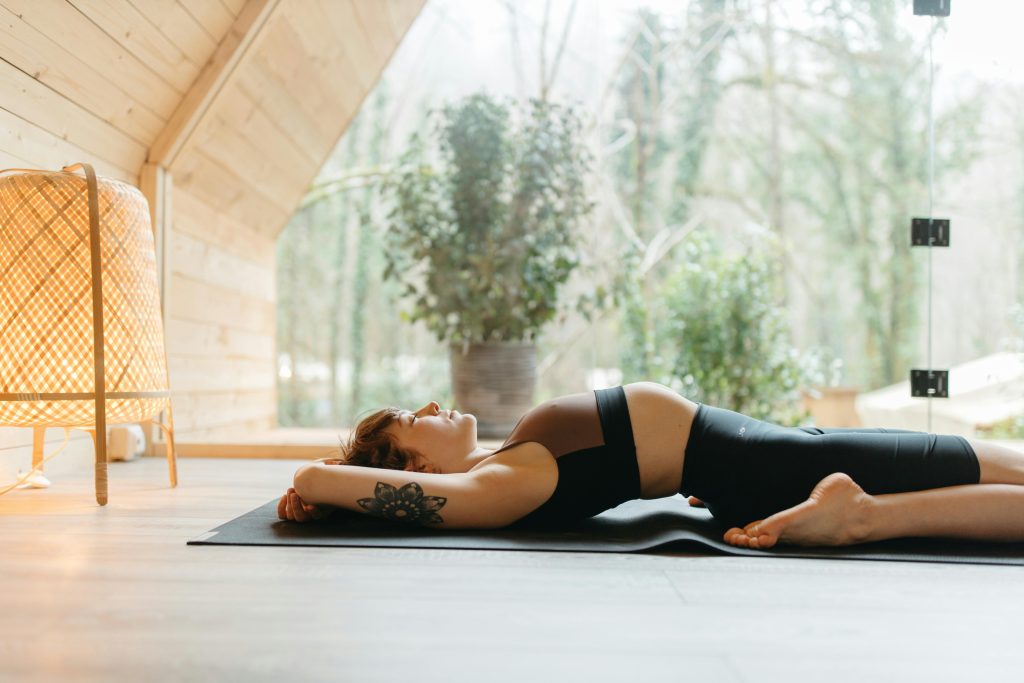
All Levels · 25 min
Restorative Yoga for Healing: A Gentle Path to Deep Relaxation and Recovery
In a world filled with constant activity, stress, and mental overload, many people struggle to find true rest. Modern lifestyles often prioritize productivity over recovery, leaving the body exhausted and the mind overwhelmed. While intense workouts and fast-paced yoga styles can improve physical fitness, healing sometimes requires the opposite approach — stillness, softness, and deep relaxation.
This is where Restorative Yoga becomes profoundly valuable.
Restorative Yoga is a gentle and therapeutic style of yoga designed to support healing by calming the nervous system, releasing tension, and encouraging complete relaxation. Unlike dynamic yoga practices focused on strength or flexibility, restorative yoga emphasizes rest and mindful stillness. Through supported postures held for extended periods, the body is given time to recover physically, emotionally, and mentally.
More than simply “relaxing,” restorative yoga is a powerful healing practice that nurtures balance, resilience, and inner peace. It provides a safe space to slow down, breathe deeply, and reconnect with the body in a compassionate way.
This blog explores the principles, benefits, techniques, and healing potential of restorative yoga, along with guidance for beginners and insights into how this gentle practice can transform overall well-being.
What Is Restorative Yoga?
Restorative Yoga is a slow, meditative style of yoga that uses props such as blankets, bolsters, blocks, and straps to fully support the body in restful postures.
The goal is not stretching deeply or building strength. Instead, the practice encourages:
- Relaxation
- Nervous system regulation
- Breath awareness
- Physical recovery
- Emotional healing
Poses are usually held for 5 to 20 minutes, allowing muscles to release tension naturally without effort or strain.
Because the body is completely supported, practitioners can relax deeply and access a state of rest that is often difficult to achieve in daily life.
The Philosophy Behind Restorative Yoga
Restorative yoga is rooted in the broader yogic principle of balance.
Many people spend their lives in a constant “doing” mode:
- Working
- Multitasking
- Managing stress
- Processing information
- Meeting responsibilities
This continuous activity keeps the nervous system activated, often leading to fatigue, anxiety, burnout, and physical tension.
Restorative yoga shifts the body into the parasympathetic nervous system state, commonly known as the “rest and digest” response.
This state promotes:
- Healing
- Digestion
- Immune support
- Emotional regulation
- Cellular recovery
Rather than pushing the body, restorative yoga teaches the value of surrender, receptivity, and mindful rest.
How Restorative Yoga Supports Healing
Healing is not only physical. It also involves emotional, mental, and energetic recovery.
Restorative yoga supports the body’s natural healing processes in several important ways.
1. Calms the Nervous System
Chronic stress activates the sympathetic nervous system — the body’s “fight or flight” response.
When stress becomes constant, it can contribute to:
- Anxiety
- Sleep disturbances
- Digestive issues
- Muscle tension
- High blood pressure
- Fatigue
Restorative yoga helps deactivate this stress response by slowing the breath and encouraging stillness.
As the nervous system calms, the body can shift toward repair and recovery.
2. Reduces Physical Tension
Stress often accumulates in the body, especially in areas such as:
- Neck
- Shoulders
- Lower back
- Hips
- Jaw
Supported restorative postures allow muscles to soften gradually without force.
This gentle release can reduce discomfort and improve mobility over time.
3. Improves Sleep Quality
Many people struggle with insomnia or restless sleep due to stress and overstimulation.
Restorative yoga promotes deeper relaxation and may improve sleep by:
- Slowing the heart rate
- Quieting mental activity
- Relaxing the muscles
- Regulating breathing patterns
Even a short evening restorative practice can prepare the body for restful sleep.
4. Supports Emotional Healing
Emotions are often stored within the body.
Gentle stillness creates space for practitioners to process feelings that may have been ignored or suppressed.
Restorative yoga can support emotional healing by encouraging:
- Self-awareness
- Compassion
- Acceptance
- Mindfulness
Many practitioners report feeling emotionally lighter and calmer after practice.
5. Enhances Immune Function
Chronic stress weakens immune health.
By reducing stress hormones and promoting relaxation, restorative yoga may help support the body’s immune system and overall resilience.
While it is not a replacement for medical care, restorative yoga can complement healthy lifestyle practices and recovery processes.
The Importance of Props in Restorative Yoga
Props are essential in restorative yoga because they allow the body to relax completely.
Common props include:
- Bolsters
- Blankets
- Yoga blocks
- Straps
- Pillows
- Eye pillows
These supports help:
- Reduce muscular effort
- Improve comfort
- Maintain safe alignment
- Encourage deeper relaxation
The purpose of props is not to make poses easier but to make complete rest possible.
Key Principles of Restorative Yoga
Understanding the core principles of restorative yoga helps create a more effective and healing practice.
Comfort Comes First
In restorative yoga, comfort is essential.
If a pose creates strain, tension, or discomfort, the body cannot fully relax.
Adjustments and props should be used generously to support ease.
Stillness Is Healing
Unlike active yoga styles, restorative yoga values stillness.
Remaining quiet and motionless allows the nervous system to settle deeply.
This stillness can initially feel unfamiliar or uncomfortable for people used to constant activity, but with practice it becomes deeply nourishing.
Breath Awareness
The breath serves as an anchor during practice.
Slow, natural breathing encourages relaxation and mindfulness.
Rather than controlling the breath forcefully, restorative yoga encourages soft, effortless breathing.
Non-Striving
Restorative yoga teaches practitioners to release the need for achievement or perfection.
There is no goal of mastering difficult postures.
The practice is about presence, rest, and self-care.
Common Restorative Yoga Poses
Several classic restorative poses are widely used to support healing and relaxation.
Child’s Pose (Balasana)
Supported Child’s Pose gently stretches the back and calms the nervous system.
Benefits:
- Relieves tension
- Encourages grounding
- Supports deep breathing
Using a bolster under the torso increases comfort and relaxation.
Reclining Bound Angle Pose (Supta Baddha Konasana)
This heart-opening posture is often deeply relaxing.
Benefits:
- Opens hips and chest
- Improves breathing
- Reduces stress
Blankets or blocks can support the knees for comfort.
Legs-Up-the-Wall Pose (Viparita Karani)
One of the most restorative poses in yoga.
Benefits:
- Reduces leg fatigue
- Improves circulation
- Relieves stress
- Calms the mind
This pose is especially helpful after long days of standing or sitting.
Supported Bridge Pose
A gentle backbend supported with a yoga block or bolster.
Benefits:
- Opens the chest
- Relieves lower back tension
- Encourages relaxation
Unlike active bridge poses, restorative bridge requires no muscular effort.
Savasana (Corpse Pose)
Often practiced at the end of yoga sessions, Savasana is the ultimate relaxation posture.
Benefits:
- Integrates the effects of practice
- Relaxes the nervous system
- Encourages mental stillness
Using blankets and eye pillows can deepen comfort.
Restorative Yoga and Mental Health
Restorative yoga has become increasingly recognized for its mental health benefits.
Although it is not a replacement for professional mental health treatment, it can provide meaningful support for emotional well-being.
Managing Anxiety
Anxiety often keeps the body in a heightened state of alertness.
Restorative yoga encourages:
- Slower breathing
- Muscle relaxation
- Mindfulness
- Grounding
These effects may help reduce feelings of overwhelm and nervous tension.
Supporting Burnout Recovery
Burnout can leave people emotionally and physically depleted.
Restorative yoga offers a compassionate way to recover energy without demanding physical exertion.
The practice reminds practitioners that rest is productive and necessary.
Emotional Regulation
By increasing body awareness and mindfulness, restorative yoga can help people notice emotional patterns and respond with greater calmness and clarity.
Restorative Yoga for Physical Recovery
Athletes, active individuals, and people recovering from illness or injury often benefit from restorative yoga.
The practice supports recovery by:
- Improving circulation
- Reducing muscular tension
- Supporting nervous system repair
- Encouraging gentle mobility
Because it is low-impact and adaptable, restorative yoga can often be modified for different physical needs.
However, individuals with medical conditions should consult healthcare professionals before beginning a new practice.
The Science Behind Relaxation
Research continues to explore the effects of relaxation practices on physical and mental health.
Studies suggest that practices promoting deep relaxation may help:
- Lower cortisol levels
- Reduce blood pressure
- Improve heart rate variability
- Enhance sleep quality
- Reduce stress-related symptoms
Restorative yoga combines several evidence-supported relaxation techniques, including:
- Breath awareness
- Mindfulness
- Gentle movement
- Sensory reduction
- Guided relaxation
This combination creates a powerful environment for recovery and healing.
Creating a Home Restorative Practice
One of the best aspects of restorative yoga is its accessibility.
A calming home practice does not require advanced skills or expensive equipment.
Create a Quiet Space
Choose a calm, comfortable environment with minimal distractions.
Soft lighting, calming music, or candles may help create a peaceful atmosphere.
Use Household Items as Props
If yoga props are unavailable, everyday items can work well:
- Pillows
- Cushions
- Blankets
- Towels
Comfort is more important than having professional equipment.
Start Small
Even 10–15 minutes of restorative yoga can be beneficial.
Consistency matters more than duration.
Practice Before Sleep
Evening restorative sessions can help transition the body into rest mode and improve sleep quality.
Who Can Benefit from Restorative Yoga?
Restorative yoga is suitable for nearly everyone, including:
- Beginners
- Seniors
- Busy professionals
- Athletes
- Individuals recovering from stress or illness
- People experiencing fatigue or burnout
Because poses are adaptable, the practice can be modified for different ages, body types, and mobility levels.
The Spiritual Dimension of Restorative Yoga
Beyond physical relaxation, restorative yoga can also become a deeply spiritual practice.
Stillness creates space for:
- Reflection
- Meditation
- Gratitude
- Self-awareness
In a culture that often values constant productivity, restorative yoga teaches the importance of simply being rather than constantly doing.
This shift can create profound emotional and spiritual transformation.
Rest as an Act of Self-Care
Many people feel guilty about resting.
Restorative yoga challenges the belief that productivity determines worth.
Instead, the practice encourages:
- Self-compassion
- Presence
- Balance
- Healthy boundaries
Healing requires rest, and restorative yoga provides permission to slow down and nurture the body and mind.
Conclusion
Restorative Yoga is a gentle yet deeply powerful practice that supports healing through stillness, breath, and mindful relaxation. In a fast-paced world that often glorifies busyness, restorative yoga offers a much-needed reminder that rest is essential for physical health, emotional balance, and mental clarity.
By calming the nervous system, releasing tension, improving sleep, and encouraging self-awareness, restorative yoga creates space for the body and mind to recover naturally. Its supported postures and meditative approach make it accessible to people of all ages and experience levels.
More than simply relaxing, restorative yoga teaches the art of slowing down, listening inward, and caring for oneself with compassion and patience. Whether practiced for stress relief, recovery, emotional healing, or personal growth, restorative yoga can become a meaningful sanctuary for healing and renewal.
In learning to rest deeply, we often discover a deeper sense of peace, balance, and connection within ourselves.