
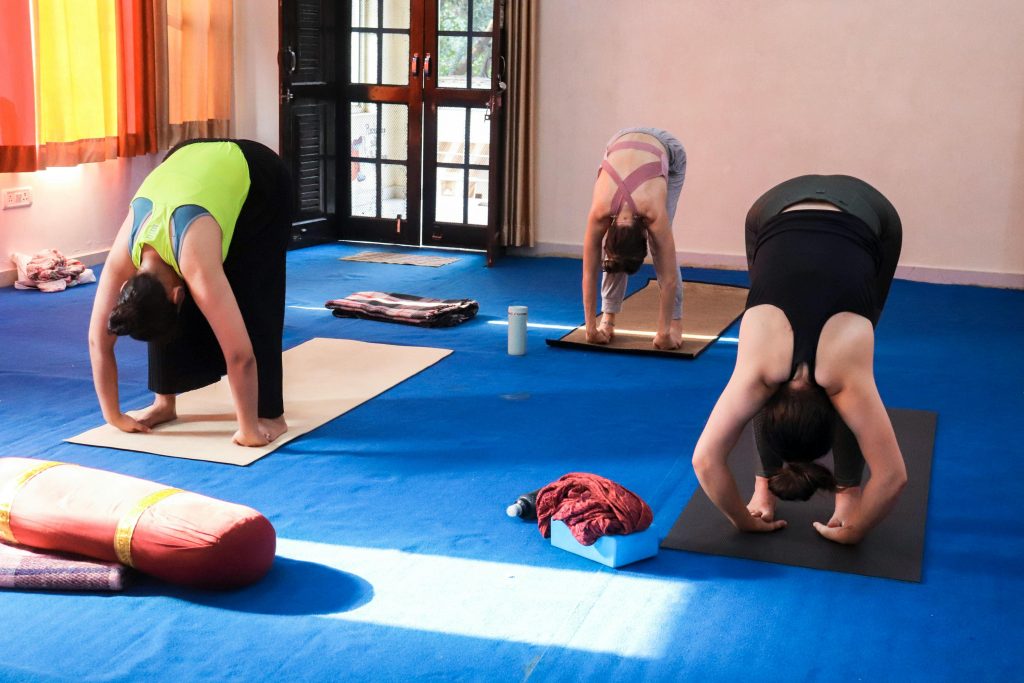
Beginning yoga can feel overwhelming. The sheer variety of styles — Hatha, Vinyasa, Ashtanga, Yin, Kundalini, Restorative, Iyengar — combined with unfamiliar Sanskrit terminology, Instagram-worthy advanced poses, and the intimidating quietness of experienced practitioners, creates a barrier that stops many would-be yogis before they ever unroll a mat. This guide cuts through the noise to give you everything you actually need to begin a safe, enjoyable, and sustainable yoga practice.
“Yoga is the journey of the self, through the self, to the self.” — The Bhagavad Gita
Understanding What Yoga Actually Is
The word yoga derives from the Sanskrit root “yuj” — meaning to yoke, unite, or join. At its core, yoga is the practice of unifying body, mind, and breath into integrated, present-moment awareness. The physical postures (asanas) that dominate modern Western yoga represent just one of eight classical limbs described in Patanjali’s Yoga Sutras, written approximately 400 CE. The other limbs include ethical principles (yamas and niyamas), breath control (pranayama), sense withdrawal (pratyahara), concentration (dharana), meditation (dhyana), and enlightenment (samadhi).
For beginners, understanding this broader context prevents two common mistakes: treating yoga as mere stretching, thereby missing its profound mental benefits; and feeling pressured to achieve advanced poses, losing the internal focus that makes yoga uniquely effective.
Choosing the Right Style for You
For most beginners, Hatha yoga is the ideal starting point. It involves holding poses for longer durations (3–8 breaths each) with clear alignment instruction, allowing you to understand your body’s patterns, build foundational strength, and learn proper technique before speed is introduced. Restorative yoga is the gentlest option — fully supported poses held for 5–20 minutes, ideal for those recovering from injury, illness, or severe stress.
Once you have 4–6 weeks of Hatha practice, Vinyasa yoga becomes accessible. Here, poses flow together in breath-synchronised sequences, building cardiovascular fitness alongside flexibility. Yin yoga targets the deep connective tissues — fascia, ligaments, and joint capsules — through passive, long-held poses, and makes an excellent complement to more dynamic styles or to athletic training. Avoid jumping straight into Ashtanga, Bikram, or Power yoga without foundational experience, as these styles place significant demands on an unprepared body.
Essential Equipment: What You Actually Need
The yoga industry is worth billions and will tell you that you need expensive props, special clothing, and premium equipment. You do not. For home practice, you need: a non-slip yoga mat (6mm thickness for beginners, providing adequate cushioning; standard dimensions 68×24 inches), comfortable stretchy clothing you can move freely in, and optionally, two yoga blocks and one strap for modifications. Total investment: £30–60 / ₹2,500–5,000 is sufficient. Avoid highly cushioned mats for standing practices — they reduce proprioceptive feedback and make balance poses harder. A firm, grippy mat outperforms a soft, thick one for most styles.
Your First 20-Minute Home Practice
Begin in Easy Seat (Sukhasana) — sit cross-legged, spine tall, hands on knees — and take 10 slow, deep breaths, consciously relaxing the jaw, shoulders, and belly on each exhale. Move to Cat-Cow spinal waves: on all fours, inhale to drop the belly and lift the gaze (Cow), exhale to round the spine to the ceiling and tuck the chin (Cat). Do 8 rounds slowly. Rise to Downward-Facing Dog (Adho Mukha Svanasana): hands shoulder-width, feet hip-width, hips high, heels pressing toward the floor. Hold for 5 breaths. Walk the feet forward to a Forward Fold (Uttanasana), knees slightly bent, hanging the torso. Hold for 5 breaths. Slowly roll up to stand and move into Warrior I (Virabhadrasana I): step one foot back, front knee bent to 90 degrees, back foot angled 45 degrees, arms raised. Hold 5 breaths each side. Return to Downward Dog, then lower to Child’s Pose (Balasana): knees wide, big toes touching, arms extended forward, forehead on the floor. Rest for 8 breaths. Finish with 5 minutes of Savasana: lie flat on your back, arms slightly away from the body, palms up, eyes closed. Simply rest and breathe.
Common Beginner Mistakes to Avoid
The most damaging mistake is forcing your body into poses it is not ready for. Yoga teaches patient, progressive opening — not aggressive stretching. Pain is always a stop sign; a mild, opening stretch sensation is appropriate, but sharp, stabbing, or joint pain requires you to back off immediately. The second major mistake is breath-holding during challenging poses. The breath must remain continuous; if you cannot breathe smoothly in a pose, you have gone too far. The pose should serve the breath, not the other way around. Third: comparing yourself to others, even in class. Your body’s proportions, flexibility, history of injuries, and emotional state are entirely unique. The practitioner in the advanced posture next to you may have 10 years of practice. Honour where you are today.
Building Consistency: The 30-Day Commitment
Research on habit formation suggests that consistent repetition over 21–66 days creates a stable neurological habit. For yoga, the most effective approach is daily practice of shorter duration (15–30 minutes) rather than infrequent long sessions. Pick a specific time — ideally morning before the day’s demands crowd in — and treat it as non-negotiable. Missing two consecutive days is the most common reason beginners quit. If life disrupts practice, even 10 minutes of breathing and a few gentle poses maintains the neurological groove being carved.
In your first month, aim for 5 days of practice per week, using one rest day for complete recovery and one day for gentle Yin or restorative work. After 30 days, you will have built foundational body awareness, established a regular breathwork habit, and noticed measurable improvements in posture, sleep quality, and stress response. These tangible early wins sustain motivation for the deeper journey ahead.
Yoga is one of the few practices that simultaneously improves physical fitness, mental wellbeing, and self-knowledge. Every session — regardless of how it compares to yesterday — is an act of profound self-care. Begin where you are. Use what you have. Do what you can.
Disclaimer: Always consult a doctor before beginning yoga if you have any medical conditions, recent injuries, or are pregnant.