
Beginner–Intermediate · 35 min
Hatha Balance & Alignment: Building Stability, Strength, and Inner Harmony
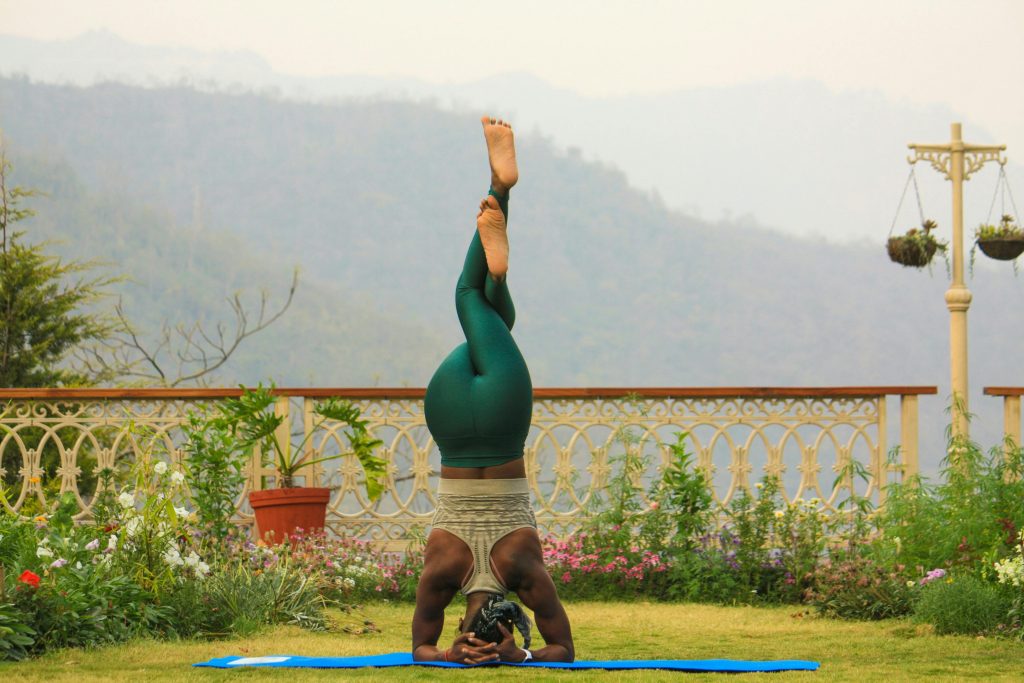
In today’s fast-moving world, many people turn to yoga not only for physical fitness but also for emotional balance and mental clarity. Among the many yoga traditions practiced worldwide, Hatha Yoga stands out as one of the most accessible and transformative systems. At the heart of Hatha Yoga lies the principle of balance and alignment — two foundations that support a healthy body, calm mind, and energetic well-being.
Hatha Yoga is more than stretching or performing postures. It is a mindful discipline that teaches awareness, posture control, breath regulation, and energetic harmony. Through proper alignment and balance, practitioners learn how to move safely, improve posture, build strength, and cultivate inner stability.
This blog explores the meaning of balance and alignment in Hatha Yoga, their importance, benefits, key principles, common mistakes, and practical ways to integrate them into daily practice.
Understanding Hatha Yoga
The word “Hatha” comes from two Sanskrit syllables:
- “Ha” meaning sun
- “Tha” meaning moon
Together, they symbolize the union of opposites — strength and softness, activity and rest, masculine and feminine energies. Hatha Yoga aims to create equilibrium between these energies through physical postures (asanas), breathing techniques (pranayama), and meditation.
Unlike fast-paced styles of yoga, Hatha Yoga is generally slower and more deliberate. This slower approach gives practitioners time to focus deeply on posture alignment, breathing patterns, and body awareness.
Balance and alignment are essential because they help practitioners experience the true benefits of yoga safely and effectively.
What Is Balance in Hatha Yoga?
Balance in Hatha Yoga has both physical and mental dimensions.
Physical Balance
Physical balance refers to maintaining stability and control in yoga postures. Balancing poses strengthen the muscles, improve coordination, and enhance body awareness. Examples include:
- Tree Pose (Vrikshasana)
- Eagle Pose (Garudasana)
- Warrior III (Virabhadrasana III)
- Half Moon Pose (Ardha Chandrasana)
These postures challenge the body’s equilibrium and train the nervous system to respond with focus and control.
Mental and Emotional Balance
Hatha Yoga also encourages emotional steadiness. During practice, distractions arise constantly — thoughts, stress, frustration, or impatience. Learning to stay calm and centered during challenging poses teaches emotional resilience.
The breath becomes a tool for maintaining inner balance. Slow, conscious breathing calms the nervous system and improves concentration, helping practitioners remain grounded both on and off the mat.
What Is Alignment in Hatha Yoga?
Alignment refers to the proper positioning of the body in yoga postures. It involves arranging bones, muscles, and joints in a way that supports efficiency, safety, and stability.
Good alignment ensures that:
- The body moves safely
- Weight is distributed evenly
- Muscles work correctly
- Joints are protected
- Energy flows freely
For example, in Mountain Pose (Tadasana), alignment includes:
- Feet grounded evenly
- Spine elongated
- Shoulders relaxed
- Chin parallel to the floor
- Core gently engaged
Though the pose appears simple, proper alignment transforms it into a powerful foundation for all standing postures.
Why Balance and Alignment Matter
Many people underestimate the importance of alignment and balance in yoga. However, these principles form the backbone of an effective and safe practice.
1. Prevents Injuries
Poor posture and incorrect movement patterns can strain muscles and joints. Proper alignment minimizes stress on vulnerable areas such as:
- Knees
- Lower back
- Neck
- Wrists
- Shoulders
Balanced muscle engagement helps protect the body during both simple and advanced poses.
2. Improves Posture
Modern lifestyles often involve long hours sitting at desks or using phones. This can lead to rounded shoulders, tight hips, and spinal misalignment.
Hatha Yoga helps restore natural posture by strengthening weak muscles and lengthening tight areas.
3. Builds Strength and Stability
Balance poses activate stabilizing muscles that are often neglected in regular workouts. These muscles support joint health and improve overall movement efficiency.
4. Enhances Focus and Concentration
Balancing requires complete presence. The mind cannot wander while maintaining stability in a pose. This creates mental discipline and mindfulness.
5. Encourages Energy Flow
According to yogic philosophy, proper alignment allows prana (life force energy) to move freely throughout the body. Blocked or collapsed posture may interfere with energetic balance.
Core Principles of Alignment in Hatha Yoga
Understanding alignment principles helps practitioners move with awareness and precision.
Grounding
Every posture begins with a stable foundation. Whether standing, sitting, or balancing, grounding creates stability.
Examples include:
- Pressing evenly through the feet
- Rooting through the palms
- Engaging the sitting bones
A strong foundation supports the rest of the body.
Lengthening the Spine
A healthy spine maintains natural curves while remaining elongated. In many poses, practitioners are encouraged to:
- Lift through the crown of the head
- Lengthen the tailbone downward
- Avoid collapsing the chest
Spinal extension improves posture and breathing capacity.
Joint Stacking
Alignment often involves placing joints directly over one another.
Examples:
- Knees over ankles
- Shoulders over wrists
- Hips aligned over knees
This distributes weight evenly and reduces unnecessary strain.
Core Engagement
The core stabilizes the body during movement and balance. Gentle abdominal engagement supports the spine and improves control.
Balanced Muscle Activation
Yoga is not about tension or relaxation alone — it is about balanced effort. Opposing muscle groups work together to create stability and ease.
The Role of Breath in Balance and Alignment
Breathing is central to Hatha Yoga practice. Breath awareness supports both physical stability and mental calmness.
Breath Creates Stability
Steady breathing helps regulate movement and maintain control during postures.
Shallow breathing often leads to:
- Tension
- Instability
- Fatigue
- Anxiety
Deep breathing encourages relaxation and focus.
Breath Enhances Awareness
Conscious breathing helps practitioners notice:
- Body tension
- Postural imbalances
- Emotional reactions
- Energy levels
This awareness improves alignment naturally over time.
Pranayama for Inner Balance
Breathing practices such as:
- Nadi Shodhana (Alternate Nostril Breathing)
- Ujjayi Breath
- Deep Diaphragmatic Breathing
help balance the nervous system and cultivate mental clarity.
Key Hatha Yoga Poses for Balance and Alignment
Certain yoga postures are especially effective for developing stability and structural awareness.
Mountain Pose (Tadasana)
Though simple in appearance, Mountain Pose teaches foundational alignment.
Benefits:
- Improves posture
- Enhances grounding
- Develops body awareness
Key Alignment Points:
- Feet hip-width apart
- Spine elongated
- Shoulders relaxed
- Weight evenly distributed
Tree Pose (Vrikshasana)
Tree Pose develops balance, concentration, and lower-body strength.
Benefits:
- Strengthens legs
- Improves focus
- Enhances coordination
Tips:
- Focus on a fixed point
- Engage the standing leg
- Avoid pressing the foot directly against the knee
Warrior II (Virabhadrasana II)
This pose teaches strength, stability, and lower-body alignment.
Benefits:
- Builds endurance
- Opens hips
- Strengthens legs
Alignment Focus:
- Front knee aligned with ankle
- Back foot grounded
- Spine upright
Downward Facing Dog (Adho Mukha Svanasana)
A foundational pose that promotes spinal length and shoulder stability.
Benefits:
- Stretches hamstrings
- Strengthens arms
- Improves circulation
Alignment Tips:
- Lengthen the spine
- Press evenly through hands
- Avoid collapsing shoulders
Triangle Pose (Trikonasana)
Triangle Pose encourages expansion, balance, and side-body alignment.
Benefits:
- Improves flexibility
- Strengthens legs
- Enhances spinal mobility
Key Focus:
- Keep chest open
- Avoid locking knees
- Maintain long spine
Common Alignment Mistakes in Hatha Yoga
Even experienced practitioners can develop unhealthy movement patterns.
Overarching the Lower Back
This often happens in standing poses and backbends.
Correction:
- Engage core muscles
- Lengthen tailbone downward
Locked Knees
Hyperextending the knees can strain joints.
Correction:
- Maintain a micro-bend
- Activate leg muscles evenly
Rounded Shoulders
Poor posture may collapse the chest and restrict breathing.
Correction:
- Draw shoulders back gently
- Lift through the sternum
Holding the Breath
Many people unconsciously stop breathing during difficult poses.
Correction:
- Maintain slow, even breaths
- Reduce intensity if necessary
Developing Better Balance in Yoga
Balance improves with consistent practice and mindful attention.
Focus the Eyes
In yoga, a drishti (focused gaze point) helps maintain stability.
Looking at a steady point reduces mental distractions and improves concentration.
Strengthen the Core
A stable core supports balancing postures. Include poses such as:
- Plank
- Boat Pose
- Side Plank
Practice Patience
Balance develops gradually. Falling out of poses is part of the learning process.
Instead of judging mistakes, practitioners should observe and refine.
Use Props
Blocks, walls, and straps can support safe alignment and confidence.
Props are valuable tools, not signs of weakness.
The Connection Between Alignment and Mindfulness
Hatha Yoga teaches practitioners to observe subtle details within the body.
This mindful awareness extends beyond physical posture.
Through alignment practice, people begin noticing:
- Stress patterns
- Emotional tension
- Breathing habits
- Mental distractions
Over time, this awareness promotes healthier movement and more conscious living.
Yoga becomes not just exercise, but a form of self-study.
Balance Beyond the Yoga Mat
The lessons learned in Hatha Yoga often reflect daily life.
Emotional Stability
Balancing poses teach calmness during instability. This resilience can help manage:
- Stress
- Anxiety
- Emotional overwhelm
Work-Life Balance
Yoga reminds practitioners that sustainable growth requires balance between effort and rest.
Better Posture in Daily Activities
Awareness gained through alignment improves everyday movements such as:
- Sitting
- Walking
- Standing
- Lifting objects
This reduces physical strain and improves overall well-being.
Hatha Yoga for Beginners
Beginners often assume yoga requires flexibility or advanced skills. However, Hatha Yoga is ideal for newcomers because of its slower pace and emphasis on fundamentals.
Tips for Beginners
Start Slowly
Focus on learning proper alignment before attempting advanced poses.
Listen to the Body
Avoid pushing into pain. Yoga should challenge without causing injury.
Prioritize Breath
Breathing should remain smooth and relaxed throughout practice.
Practice Consistently
Even 15–20 minutes daily can create noticeable improvements.
Learn from Qualified Teachers
Experienced instructors can provide corrections and personalized guidance.
The Spiritual Dimension of Balance and Alignment
In traditional yoga philosophy, physical alignment reflects energetic and spiritual harmony.
When the body is balanced and aligned:
- Breath flows more freely
- Energy channels remain open
- Meditation becomes easier
- The mind grows quieter
Hatha Yoga ultimately prepares the practitioner for deeper states of awareness and inner peace.
The practice becomes a bridge between body, mind, and spirit.
Creating a Sustainable Practice
Long-term progress in Hatha Yoga depends on consistency rather than intensity.
A sustainable practice includes:
- Regular movement
- Conscious breathing
- Adequate rest
- Self-awareness
- Patience
Rather than chasing perfect poses, practitioners should focus on steady improvement and mindful presence.
Yoga is not about achieving external perfection. It is about cultivating internal harmony.
Conclusion
Hatha Yoga offers a profound path toward balance, alignment, and self-awareness. Through mindful movement, conscious breathing, and proper posture, practitioners develop strength, flexibility, stability, and emotional resilience.
Balance teaches steadiness in both body and mind, while alignment creates safety, efficiency, and energetic harmony. Together, these principles form the foundation of a meaningful yoga practice.
In a world filled with constant distraction and imbalance, Hatha Yoga provides an opportunity to reconnect with the body, calm the mind, and cultivate inner peace. Whether you are a beginner or an experienced practitioner, focusing on balance and alignment can transform not only your yoga practice but also your overall quality of life.
By approaching each posture with awareness, patience, and intention, yoga becomes more than exercise — it becomes a journey toward harmony, presence, and well-being.